





















As technology evolves, businesses must anticipate and prepare for ever-changing cybersecurity trends and threats. The rise of remote work, cloud adoption, artificial intelligence (AI), and the Internet of Things (IoT) has expanded the attack surface, making vigilance essential. Below are 20 cybersecurity trends to watch:
1. Remote Work Security: To secure remote and hybrid work environments, organizations should implement robust security protocols such as virtual private networks (VPNs), multi-factor authentication, and endpoint/mobile device security solutions. They should also educate employees on risk identification, cybersecurity best practices, and maintaining strong password hygiene.
2. Phishing and Social Engineering: These attacks manipulate individuals through deception. Phishing uses fake websites to harvest personal information. Such attacks will remain widespread in 2023, making employee education and training critical to reducing risk.
3. Ransomware: A type of malware that encrypts files and demands payment for decryption. Ransomware attacks pose a significant threat in 2023. Businesses of all sizes should maintain backups, disaster recovery solutions, and incident response plans to protect their data from ransomware.
4. Cloud Security: Cloud security operates under a shared responsibility model. Providers are responsible for securing the underlying infrastructure—host/network, access controls, patching, and configuration—while customers manage user and access permissions, protect cloud accounts, encrypt and safeguard data, and ensure compliance.
5. IoT Security: IoT security protects cloud-connected devices from data breaches. Security measures such as changing default passwords should be prioritized to prevent malware threats like the Mirai botnet. Original equipment manufacturers (OEMs) and developers must prioritize IoT security to protect vulnerable devices.
6. Quantum Computing: Quantum computing threatens traditional encryption methods used to secure data. To address this, companies should adopt quantum-resistant cryptographic algorithms that use quantum random number generators instead of relying on vulnerable classical pseudo-random number generators.
7. Identity and Access Management (IAM): IAM securely manages digital identities and controls access to data, systems, and resources to ensure IT security. It encompasses policies, technologies, and programs designed to reduce identity-related risks and enhance business security. IAM solutions help organizations mitigate risk, comply with regulations, and streamline processes.
8. Supply Chain Security: This involves managing potential risks across the entire supply chain, including external vendors, logistics, and technology. It requires identifying and mitigating threats through integrated risk management, cyber defenses, and adherence to relevant government agreements.
9. Cyber Espionage: Cyber espionage involves unauthorized access to sensitive data or intellectual property via cyberattacks to gain economic, competitive, or political advantage. It remains a major threat in 2023. High-profile cases like Operation Aurora—which targeted Google’s Gmail—highlight the need for network segmentation, intrusion detection systems, and collaboration with law enforcement to reduce espionage risks.
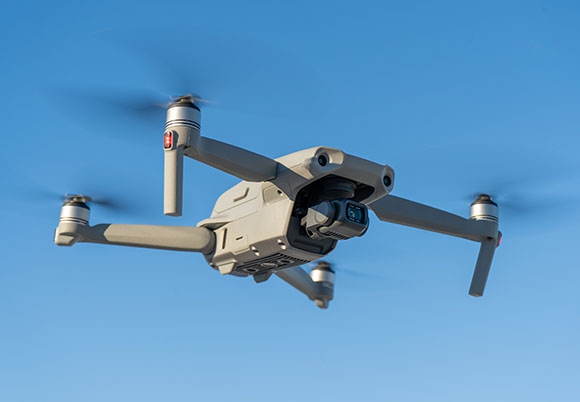
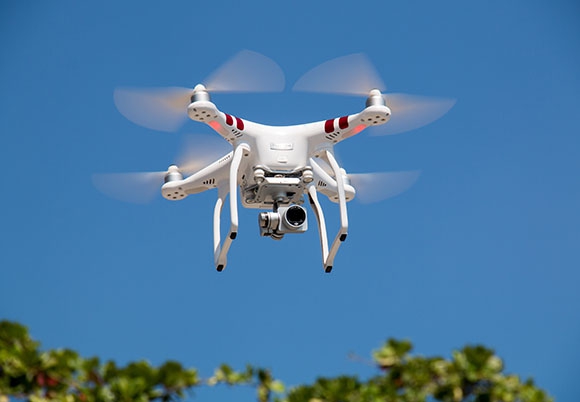
10. Cyber-Physical Systems (CPS) Security: CPS include transportation, energy, and critical infrastructure. As these systems become increasingly interconnected and automated, they face growing security challenges. Strong security measures—such as encryption, authentication, and monitoring—are essential to secure CPS like robots, autonomous vehicles, drones, and medical devices.
11. 5G Security: 5G security protects high-speed mobile services for billions of devices and IoT ecosystems. Advanced authentication and enhanced user protection mechanisms are necessary to ensure a secure 5G experience. Addressing security risks from insecure IoT devices and sensors is crucial to unlocking 5G’s full potential.
12. Blockchain Security: Blockchain security requires risk assessments, implementation of cybersecurity frameworks, security testing, and secure coding practices to prevent online fraud and cyberattacks, thereby supporting the continued growth of blockchain technology.
13. Augmented Reality/Virtual Reality (AR/VR) Security: As AR/VR adoption grows, securing these technologies and the data they process must become a priority. Hackers could exploit subtle facial movements captured during speech to steal sensitive information such as credit card details and passwords.
14. Artificial Intelligence and Machine Learning: AI and machine learning can introduce cyber threats, as attackers may leverage them to automate and scale malicious activities. However, when properly secured and monitored, AI and ML can also enhance cybersecurity defenses and mitigate potential threats. Moreover, with the rising popularity of AI chatbots like ChatGPT, employees must remain cautious when sharing confidential information. Prompt injection attacks against AI chatbots can expose sensitive internal details, posing serious security risks.
15. Cybercrime-as-a-Service (CaaS): CaaS is a dangerous business model where cybercriminals offer hacking tools and services on the dark web, enabling even non-technical individuals to launch cyberattacks. CaaS will continue to be a threat in 2023, requiring organizations to prioritize defense through employee training, threat intelligence, and incident response solutions.
16. Cyber Insurance: To mitigate financial losses from data breaches, organizations can purchase cyber insurance to cover liabilities arising from the theft of sensitive customer information—such as Social Security numbers, credit card details, and health records. As a key component of a comprehensive cybersecurity strategy, cyber insurance helps reduce risk and provides peace of mind.
17. Cyber Hygiene: Cyber hygiene refers to practices that keep computer systems and devices secure. In 2023, it remains essential for protecting personal information from theft and compromise. Key practices include regularly updating passwords, configuring firewalls, encrypting data, and backing up data.
18. Cybersecurity Skills Shortage: The evolving threat landscape has led to a global shortage of cybersecurity professionals, estimated at 3.5 million. This gap will persist in 2023, compelling businesses to invest in training and retaining talent or outsource cybersecurity functions.
19. Cybersecurity Regulations: Cybersecurity regulations are directives designed to protect cyber information systems and data from threats such as viruses, worms, phishing, and unauthorized access. Organizations must stay informed about and comply with evolving regulations to safeguard their systems against cyber threats.
20. Geopolitics and Hybrid Warfare: Since the Russia-Ukraine conflict, the realities of geopolitics and hybrid warfare have been redefined. Many organizations now face diverse cyber threats, including large-scale distributed denial-of-service (DDoS) attacks, intensified malware campaigns, targeted phishing operations, disinformation campaigns, and attacks on cyber-physical systems.
To defend against evolving cyber threats in 2023, businesses must adopt advanced security technologies, continuously test and update controls, and educate employees about cyber risks. Cybersecurity must be integrated into software development, system design, coding, and implementation. Employees who recognize anomalies and report them to IT administrators can significantly reduce the risk of successful attacks. Proactive cybersecurity minimizes the impact of breaches and strengthens customer trust, corporate reputation, and business growth.